
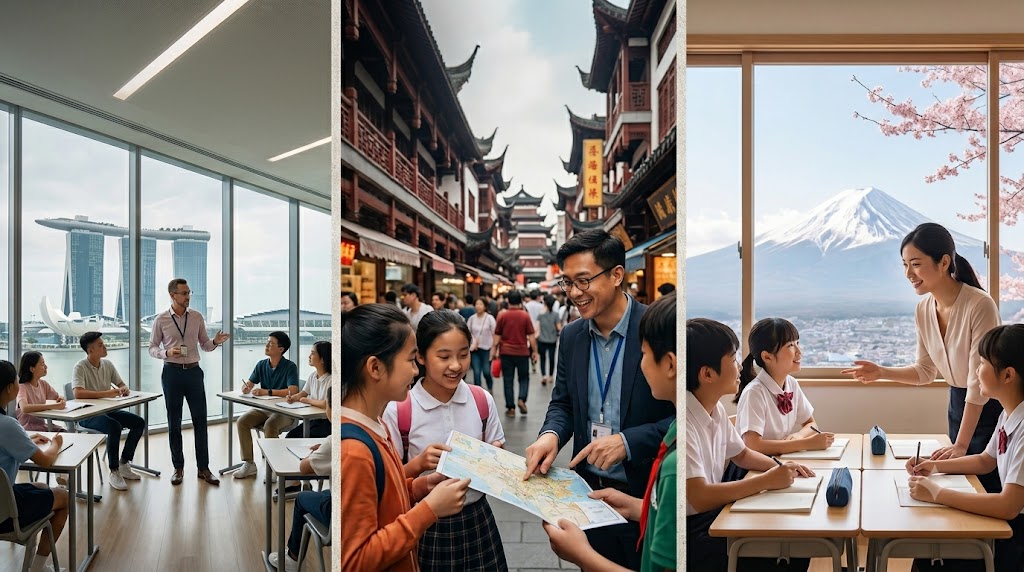
Nurturing young minds is perhaps one of the most rewarding experiences for teachers. But if you are an international teacher looking for your next dream job, you need to have several compelling reasons before you pack your bags for a job in another country.
While higher salary and cultural exposure are great factors to consider, the best countries to teach abroad in 2026 are those with an affordable cost of living, a tax-free or low-tax regime, a high quality of life, and a safe work environment.
This article explores three popular countries international teachers should consider in 2026, looking at what makes each destination attractive, as well as the challenges you might encounter when teaching abroad.
1. Singapore
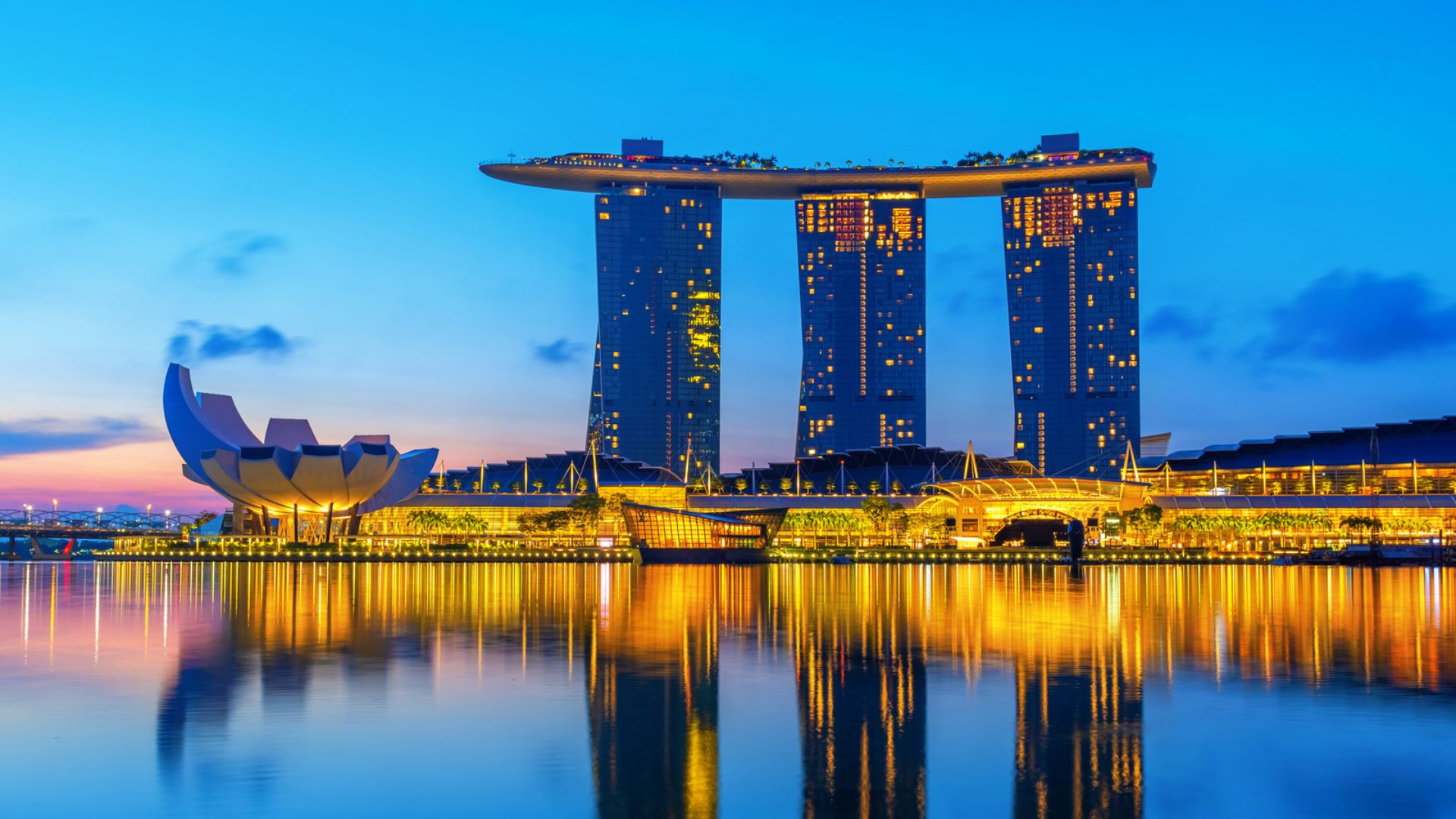
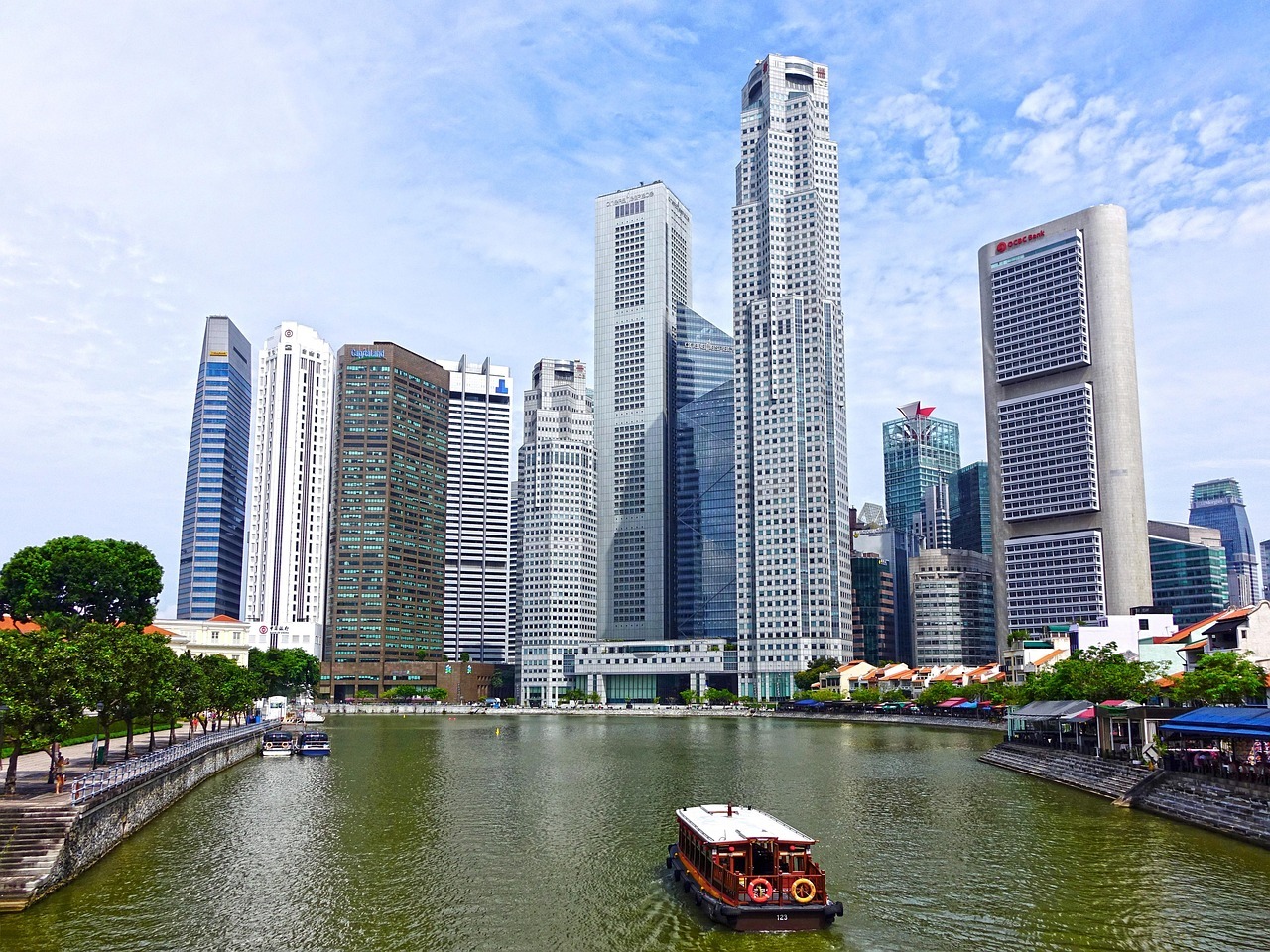
Singapore has been a strong attraction for top-tier educators globally for its multicultural roots, world-class infrastructure and English-speaking environment. It is ranked among the world’s safest cities and its international schools offer state-of-the-art facilities, high academic standards and multidimensional professional development.
The cost of living index sits at 87 here. But that’s obvious, given its efficient urban living conditions, healthcare and public services. However, you can easily offset the high cost of living with the premium compensation Singapore offers to its international teachers.
The average salary for entry-level positions is at $53,900, and for experienced teachers, it is at $75,200. The benefits package includes housing allowance, health insurance, annual flights and tuition discounts. Salary is taxed at 15-22%. Teachers teaching in Singapore give a job satisfaction rating of 8.5 out of 10.
However, teachers report the high cost of living, humid climate, strict laws, and intense competition and work intensity as a few of the challenges they face while working in Singapore.
2. China
China has one of the largest networks of international schools, with the cost of living index above 40 (and a saving potential of 46%!). International educators can get rich cultural immersion and great financial benefits while teaching in China.
The average salary for entry-level international teachers is $43,200. Experienced teachers can earn an average of $60,100. You can also get annual flight allowances, free accommodation or housing allowances, health insurance, and up to 100% tuition fee discounts for your children’s education. Taxes fall between 13%-22%, depending on your salary bracket.

Shanghai, Beijing, Shenzhen and Guangzhou are the cities with the most tier-1 international schools that follow British, American, or IB curricula. These schools provide a safe and comfortable environment with world-class amenities, vibrant communities, and good public transportation.
High pollution levels, a significant language barrier and navigating a stark cultural shift are some of the primary challenges international teachers report when adapting to life in China.
3. Japan
Japan’s international schools score 9.5 in security ratings, being one of the world’s safest countries for international teachers, with excellent healthcare facilities, transportation and a unique cultural experience. Tokyo, Osaka and Fukuoka are major international centers for teaching in Japan.
Japan has a cost of living index of 47 and a savings potential of 30-50% of salary. You can earn an average salary of $37,200 annually as an entry-level teacher, or if you are experienced, top-tier schools can pay you $45,000-$55,000 a year. Besides good pay, you can enjoy additional perks such as housing, relocation, flight allocation and health insurance. Tax is charged progressively at 15-23%, depending on the salary you earn.
Teaching is a very respectable profession in Japan. Teacher-student relations, professional development, and a reasonable work-life balance strongly influence job satisfaction. However, teachers often note the high language barrier, a relatively high cost of living and a limited number of tier-1 international school openings as a few of the hurdles to look out for in Japan.

Metric |
China |
Japan |
Singapore |
|---|---|---|---|
| Avg Monthly Salary | $3,600-5,000 | $3,100-3,800 | $4,500-6,300 |
| Housing Benefit | Free/Allowance | Allowance | Allowance |
| Annual Flights | Yes | Yes | Yes |
| Tuition Discount | 50-100% | 50-100% | 50-100% |
| Tax Rate | 13-22% | 15-23% | 15-22% |
| Cost of Living (Index) | 40 | 75 | 87 |
| Savings Potential | 46% ($36K/yr) | 25-50% ($27-36K/yr) | 40% ($48K/yr) |
| Safety Rating | 7.5/10 | 9.5/10 | 10/10 |
| Satisfaction Level | 7/10 | 8/10 | 8.5/10 |
| Work Culture | 7/10 | 8/10 | 8/10 |
| Work Hours/Week | 40-50 | 40-50 | 45-55 |
| Family-Friendly | 7.5/10 | 9/10 | 9/10 |
| Professional Growth | 8/10 | 8.5/10 | 9/10 |
| ISR Tier-1 Schools | Many (20+) | Limited (5-8) | Excellent (6-8) |
| Language Barrier | High | High | None |
| Career Credential Value | Tier 1 Global | Premium Global | Top Global |
Making the choice: What should you keep in mind
The above list isn’t exhaustive. While China could be a great choice for teachers prioritising financial goals alongside cultural discovery, Singapore’s international schools fall into the premium category, offering the safest work environment and the highest growth opportunities. Japanese culture is unique and you won’t want to miss its four seasons.
Australia, Vietnam, Thailand, South Korea, Canada, and Middle Eastern countries offer equally wonderful international teaching opportunities, good pay, safe work environments, and family-friendly international schools.
While making the choice, do consider the legalities around immigration and other checks involved, the cost of living vs pay comparison, the school you are applying to, language barriers, and professional growth opportunities.
Remember, you can check the latest global international teaching opportunities on Teacher Horizons.