


Choosing a first international post feels a bit like choosing a first flat in a new city. You want somewhere affordable, safe and close to people you can trust. You also want to avoid learning every lesson the hard way.
Egypt sits on many shortlists for exactly that reason. The salaries look decent, the living costs look low and the photos look incredible, but a photo can’t tell you whether the school will look after a newcomer.
So let’s weigh it up properly. This guide walks through what first-timers gain from teaching in Egypt, what can feel tough and who tends to settle in best.
1. What makes a destination good for a first-timer?
A first post isn’t the same as your fifth. You’re learning a new school, a new country and a new way of living, all at once. The best first destinations make at least some of that easier.
Five things matter most:
- Support: Does the school help with paperwork, housing and settling in? A strong induction can make your first term feel calm instead of chaotic.
- Affordability: Can you live comfortably and still save? Low costs give you room to make mistakes, like a bad flat or an expensive flight home.
- Community: Will you meet people quickly? A friendly staff room and an active international scene protect you from early loneliness.
- Safety and stability: Do you feel secure day to day? You also want clear information about risks and a school with plans in place.
- Career value: Will the experience help your next move? Good schools, recognised curricula and a solid reference all count.
Keep those five in mind as you read.
2. So, is Egypt a good first destination? The quick scorecard
Yes, for the right teacher and the right school. Egypt scores well on cost and savings, and it offers variety in schools. It asks more of you on patience, paperwork and regional awareness.
Here’s the quick view:
Factor |
How Egypt looks for a first-timer |
What to check |
|---|---|---|
| Support | Strong at larger, established schools | Induction plans, mentoring, help with residency |
| Affordability | Excellent, with low living costs | Salary currency and whether housing is included |
| Community | Lively international and teacher networks | Staff size and how many new hires join each year |
| Safety and stability | Varies by location and current events | Government travel advice and school safety plans |
| Career value | Good, especially at IB and British schools | Curriculum, accreditation and leadership stability |
| Daily comfort | Heat, traffic and pace can be demanding | Commute length, air conditioning and housing location |
Notice that the “what to check” column matters more than the ratings. Egypt varies widely from school to school. Your choice of school will shape your first year far more than the country itself.
3. Where does Egypt shine for first-timers?
Start with the money. Our salary data shows Egypt’s average entry-level package at $31,700. The cost of living index sits at 19, where New York City is 100, and savings potential reaches 38%.
That combination is rare. You can save while you learn the ropes. A cheaper city also means a bad month doesn’t turn into a financial crisis.
Our article on comparing salaries across borders explains why take-home pay and living costs matter more than the headline figure. It’s worth reading before you compare any two offers.
Next comes curriculum; Egypt has British, American and IB schools, plus a few other national systems. England-trained teachers may find a school using Cambridge IGCSE and A Levels. That can feel familiar from day one.
If you trained elsewhere, the IB or American options may suit you better. Ask each school how it supports teachers who are new to its curriculum. Good schools offer training before you start teaching.
Then there’s career value. Cairo experience shows employers you can adapt to a demanding city. Teachers often use a first post like this as a stepping stone to other regions. A good reference from a respected school makes that next move easier.
Finally, there’s the human side. Cairo’s international staff rooms are often diverse, social and welcoming to newcomers. Colleagues tend to remember their own first year.
They often go out of their way to help. That can make a bigger difference than any benefit on the contract.
4. Where can Egypt feel tough?
Being honest here helps you prepare. Egypt isn’t difficult in the way people sometimes imagine, but it does ask for flexibility. These are the common pressure points, with ways to manage each:
- Paperwork and pace: Residency, banking and utilities can move slowly. Ask your school for a timeline and keep copies of every document.
- Heat and air quality: Summers are hot and pollution can be noticeable in busy areas. Choose housing with good air conditioning and ask colleagues about the best neighbourhoods.
- Traffic and noise: Commutes can be long and the city rarely goes quiet. Live close to school or use school transport if it’s offered.
- Currency swings: The Egyptian pound has lost value in recent years. Ask which parts of your pay come in US dollars.
- Regional news: Headlines from the wider region can worry friends and family. Share your plans early and check travel advice regularly.
- Distance from home: Flights can be long and costly for many teachers. Ask how many return flights the contract includes.
None of these are a dealbreaker on their own. Together, they mean Egypt suits people who like to plan. If you hate uncertainty, choose your school with extra care.
5. What about safety and health?
This is the question first-timers ask most and it deserves a clear answer. Safety in Egypt depends on where you live, how you travel and what’s happening in the region. It’s also a question that changes over time.
The Australian government’s Smartraveller advice for Egypt currently asks travellers to exercise a high degree of caution overall. It also advises against travel to parts of North Sinai. It describes petty crime in Cairo as low and violent crime as rare.
Read that advice and the guidance from your own government. Advice changes, so check again before you fly. Then ask the school direct questions about campus security, emergency plans and embassy registration.
For health, private hospitals are the norm for expatriates, so insurance matters. The World Health Organization’s Egypt page links to national health data and country updates. Speak to your doctor or a travel clinic about vaccinations well before you leave.
Some teachers have extra questions. Women, LGBTQ+ teachers and solo travellers should ask current staff about day-to-day experience. Research local laws too and speak to your adviser if anything worries you.
6. How does teaching in Egypt compare with other first-time options?
It helps to see Egypt next to destinations that first-timers often consider. Here’s our data for three of them:
Country |
Entry-level average |
Cost of living index |
Savings potential |
|---|---|---|---|
| Egypt | $31,700 | 19 | 38% |
| Thailand | $30,000 | 42 | 38% |
| UAE | $34,700 | 60 | 26% |
Egypt matches Thailand on savings potential, with a far lower cost of living index. The UAE pays more and is tax-free, but higher living costs cut the amount you save.
That doesn’t make Egypt better. It makes it different.
Thailand offers a gentler climate and a huge teacher community. The UAE offers polished infrastructure. Egypt offers history, affordability and a dense mix of school types.
7. Who does Egypt suit best?
Career stage changes the answer. Here’s how it tends to look.
Newly qualified teachers. Egypt can work well if you choose a larger school with mentoring. Smaller schools may expect more independence than you’re ready for.
Ask how many early-career teachers the school has and who supports them.
Experienced teachers from your home country. This is often the sweet spot, because you bring classroom confidence and can focus on adapting to a new place. Schools tend to value a strong record and curriculum experience.
Teachers already working internationally. Egypt can be a smart second or third move, especially for savings or leadership steps. You’ll already know how to handle contracts and culture shock.
Teachers moving with families. Many schools offer tuition discounts and family-friendly housing. Ask how many children are covered and check that insurance includes dependents.
8. What will your first term feel like?
Knowing the arc helps you trust it. Here’s a typical pattern, though every teacher’s experience differs.
The first fortnight is busy. You’ll collect keys, meet colleagues and work out the route to school. Everything feels new and slightly exhausting, but also exciting.
By week six or eight, the novelty often fades. Some teachers feel homesick or frustrated with small delays around paperwork or utilities. That dip is normal and it usually lifts as routines settle.
By the end of term one, many teachers describe a shift. You’ve found a favourite café, a weekend routine and a few trusted friends. Cairo starts to feel less like a destination and more like a place you live.
Protect yourself during the dip. Plan a call home each week, say yes to staff invitations and explore one new neighbourhood a fortnight. Small habits carry you through.
9. How should you budget your first year?
A first year costs more than a typical year. You’ll pay for flights, a deposit, furniture and plenty of small setup items. Plan for that before you worry about savings.
Keep a buffer equal to at least one month of costs. Schools sometimes pay the first salary later than new teachers expect, so a cushion removes stress. Check the pay date in your contract.
Watch your currency exposure. If your salary is in dollars but your rent is in pounds, exchange rates affect you. Ask which parts of your package stay fixed and which can move.
Then decide what savings mean to you. Some teachers aim for a fixed monthly amount, while others pay off debt first. Egypt’s savings potential of 38% only helps if you turn it into a plan.
10. How do you choose a good first school in Egypt?
The school matters more than the city. A supportive school can make a tough country feel easy. An unsupportive one can do the opposite.
Start by checking how the school treats new staff. Ask about induction, mentoring, housing support and how they handle residency paperwork. Good schools describe these processes without hesitation.
Then look for stability. High staff turnover, frequent leadership changes or vague answers about contracts are warning signs. Our explanation of how we screen schools shows the kind of checks worth doing yourself too.
Finally, ask better questions. Vague questions get vague answers.
❌ “Will I be supported as a new teacher?”
✅ “What does your induction programme include, and who mentors new teachers in their first term?”
❌ “Is the salary good?”
✅ “Is my salary paid in dollars or Egyptian pounds, and is it net or gross of tax?”
❌ “Is it easy to settle in?”
✅ “How do you help new staff with housing, residency and opening a bank account?”
Green flags are easy to spot once you know them. Look for clear contracts, honest answers about turnover and a named person who handles new-staff support. Teachers who stay several years and recommend the school unprompted are a very good sign.
Red flags are just as clear. Watch for pressure to sign quickly, unclear pay terms or reluctance to let you speak with staff. If something feels off, pause and ask your TH adviser.
Try to speak with a current teacher before signing. Ten minutes with someone in the building tells you more than any brochure. Some of our advisers have taught in Egypt themselves, so they can help you frame the right questions.
11. Cairo, Alexandria or the coast?
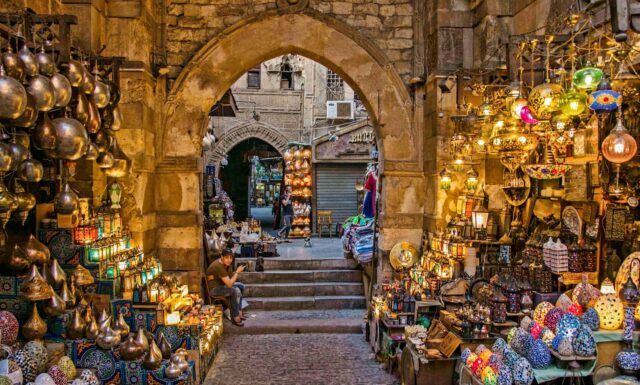
Cairo is the usual starting point. It has the most international schools, the biggest expatriate community and the widest choice of neighbourhoods. First-timers benefit from that density.
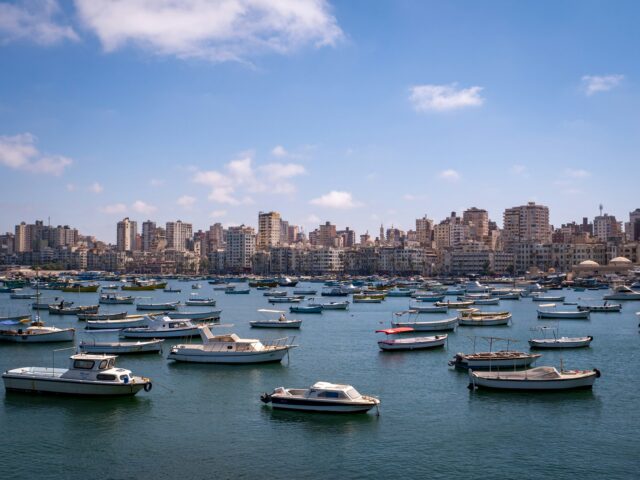
Alexandria has fewer schools and a slower, Mediterranean feel. The Red Sea coast has a small number of schools serving resort communities. Both can be rewarding, but jobs are rarer and support networks are smaller.
Choose them if you want a quieter life. Just be ready to build community more deliberately.
12. How should you prepare if you say yes?
Preparation turns nerves into confidence. A few steps make the biggest difference.
Start early, because the main hiring season runs from October to February for August starts. Autumn is the time to get your profile ready. Gather your certificates, references and identity documents before you need them.
Polish your application. Our guide to writing an international teaching CV shows what schools scan for first. Keep it clear, results-focused and easy to read on a phone.
Build a small safety net. Keep savings for your first month, including a deposit, transport and emergency flights. Learn a few Arabic phrases and join teacher groups in Cairo before you arrive.
Finally, talk to people who’ve done it. Our Community Networking tool lets you search for educators by location, school and subject. Ask them what they wish they’d known.
Frequently asked questions
Can a newly qualified teacher start their career in Egypt?
Yes, at some schools. Larger schools with structured mentoring suit early-career teachers best. Expect competition from experienced applicants, so a strong training reference helps.
Is Egypt cheaper than other popular destinations?
Often, yes. Our cost of living index gives Egypt 19, against 42 for Thailand and 60 for the UAE. Your own costs depend on your housing, travel habits and how much of your pay is in dollars.
Do I need to speak Arabic?
No. International school teaching happens in English and colleagues speak it too. Learning basic Arabic still helps with daily life and shows respect.
How long should I commit to a first contract?
Many international contracts run for two years. That gives you time to settle in and build a record. Ask about early-release terms in case your circumstances change.
What if I find it isn’t for me?
It happens and it’s not a failure. Check your contract’s notice terms before you sign. Many teachers move on after one contract with useful experience and a solid reference.
Will I feel lonely as a first-timer?
Some teachers do at first and that’s normal. Cairo’s international schools are social and staff rooms tend to welcome newcomers. Say yes to invitations, join a club and use networking tools to meet people before you land.
How much should I save before I go?
Aim for enough to cover your first month of costs, plus a deposit and a flight home in an emergency. Schools often pay the first salary at the end of your first month. Ask about advances or settling-in payments if cash looks tight.
Should I pick Egypt or a Gulf country first?
It depends on your priorities. The Gulf offers tax-free salaries and polished infrastructure, while Egypt offers lower living costs and cultural depth. Compare full packages, not just salary figures.
Making the call
Egypt can be an excellent first international destination. It gives you strong savings, varied schools and a rich place to live. It also asks for patience, planning and a willingness to check the details.
Choose the school first and the country second. Read the contract carefully, speak to current staff and keep your government’s travel advice in view. Our school profiles and advisers are there to help you weigh each step. You can browse our current job listings to see what’s available. Remember to check regularly for new roles that may pop up.
Do your homework. Trust your instincts. Then say yes with your eyes open.