



Most teachers who have lived in China say the same thing when they come back: it’s not what I expected. Not in a bad way. Just – different.
The country is bigger, faster, more overwhelming, and more rewarding than almost anything they’d imagined.
You probably have a version of China in your head already. Big cities, unfamiliar characters, great food, a language you can’t read. That picture isn’t wrong.
But it misses the texture of what it actually feels like to live there – the day-to-day rhythms, the things that delight you, the things that take adjustment, and the moments that make teachers stay far longer than they planned.
This is an honest account. Not a brochure. The genuine experience of living in China as a qualified international school teacher – the good, the challenging, and the things worth knowing before you go.
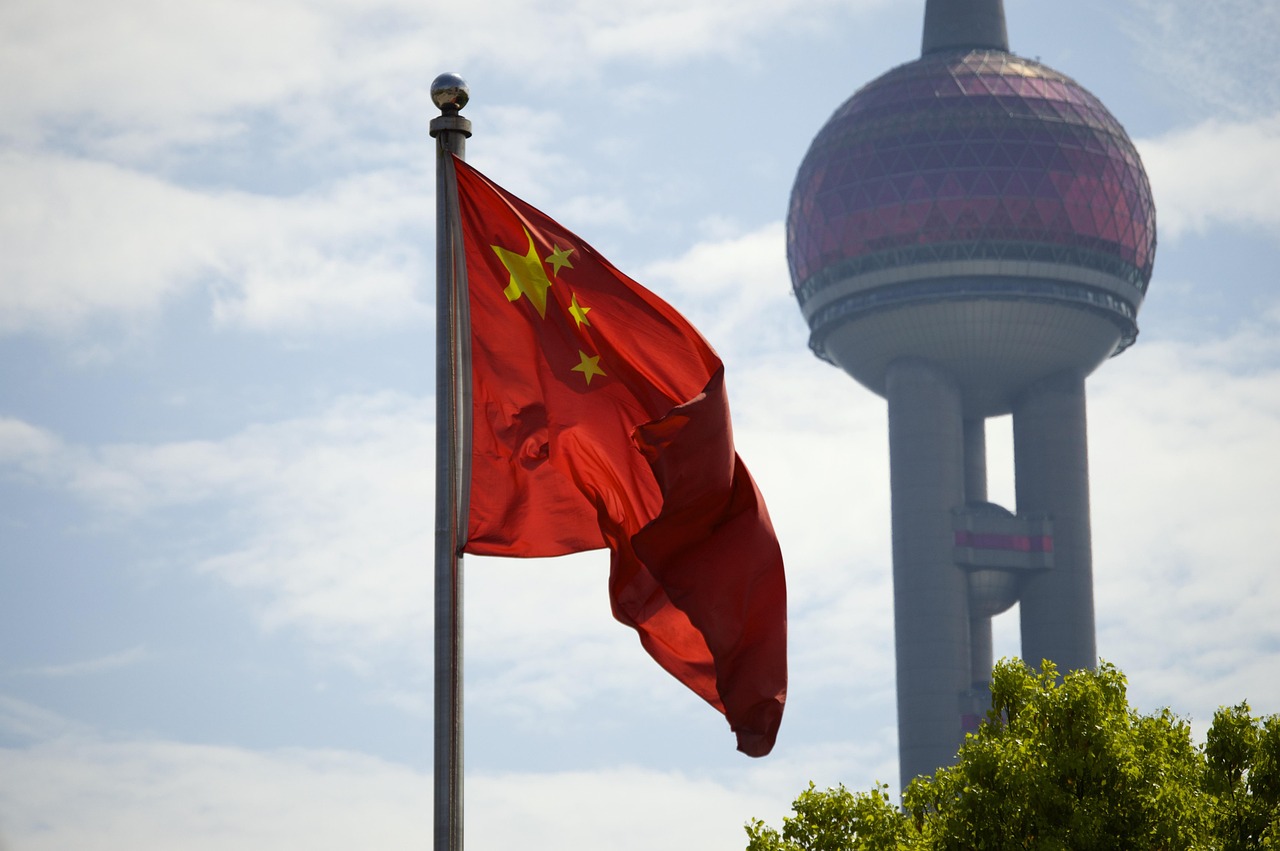
The first few months: expect the curve
Every teacher who’s moved to China describes the same early period. The first few weeks are intense. The city is enormous.
The signage is in a language you probably can’t read. Your phone doesn’t work in the ways you rely on it.
And then, gradually, it clicks. You find your local noodle place. You figure out the metro.
You start to recognise patterns in the language. The international school community starts to feel like yours.
Most teachers report that three months is the turning point. Before that, you’re adapting. After that, you’re living.
This is a near-universal experience – knowing it’s coming makes it considerably easier to move through.
Food: the genuine revelation
This comes up in almost every conversation about living in China. The food is extraordinary, and it costs almost nothing.
China doesn’t have one cuisine. It has dozens – regional traditions as different from each other as French food is from Spanish. Sichuan cooking in Chengdu will challenge your heat tolerance in the best possible way.
Cantonese dim sum in Guangzhou is a different experience entirely. Shanghai’s soup dumplings, Beijing’s roast duck, Xi’an’s hand-pulled noodles – this is the kind of variety that takes years to work through.
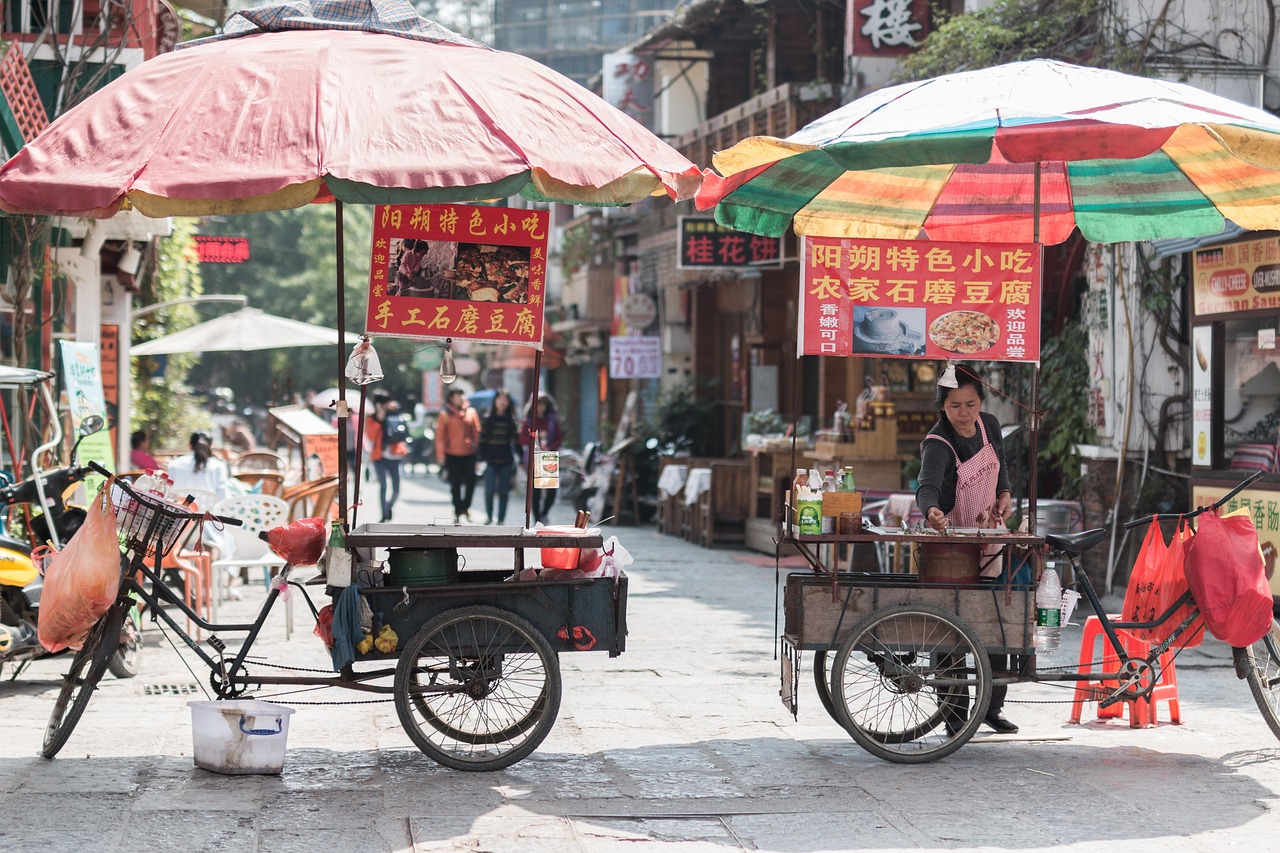
Restaurant meals for 30-60 RMB (roughly £3-£6) are the norm in most cities. Street food is cheaper still and excellent. Teachers who arrive expecting to miss home cooking typically find they’re eating better than they did at home – and spending a fraction of what they spent!
One practical note: if you have dietary restrictions or allergies, China requires more active navigation. Vegetarian options exist in most cities but aren’t universally labelled. Shellfish and nuts appear across many dishes.
Learning to communicate your needs in basic Mandarin, or through a translated card, saves real problems.
Getting around: infrastructure that genuinely impresses
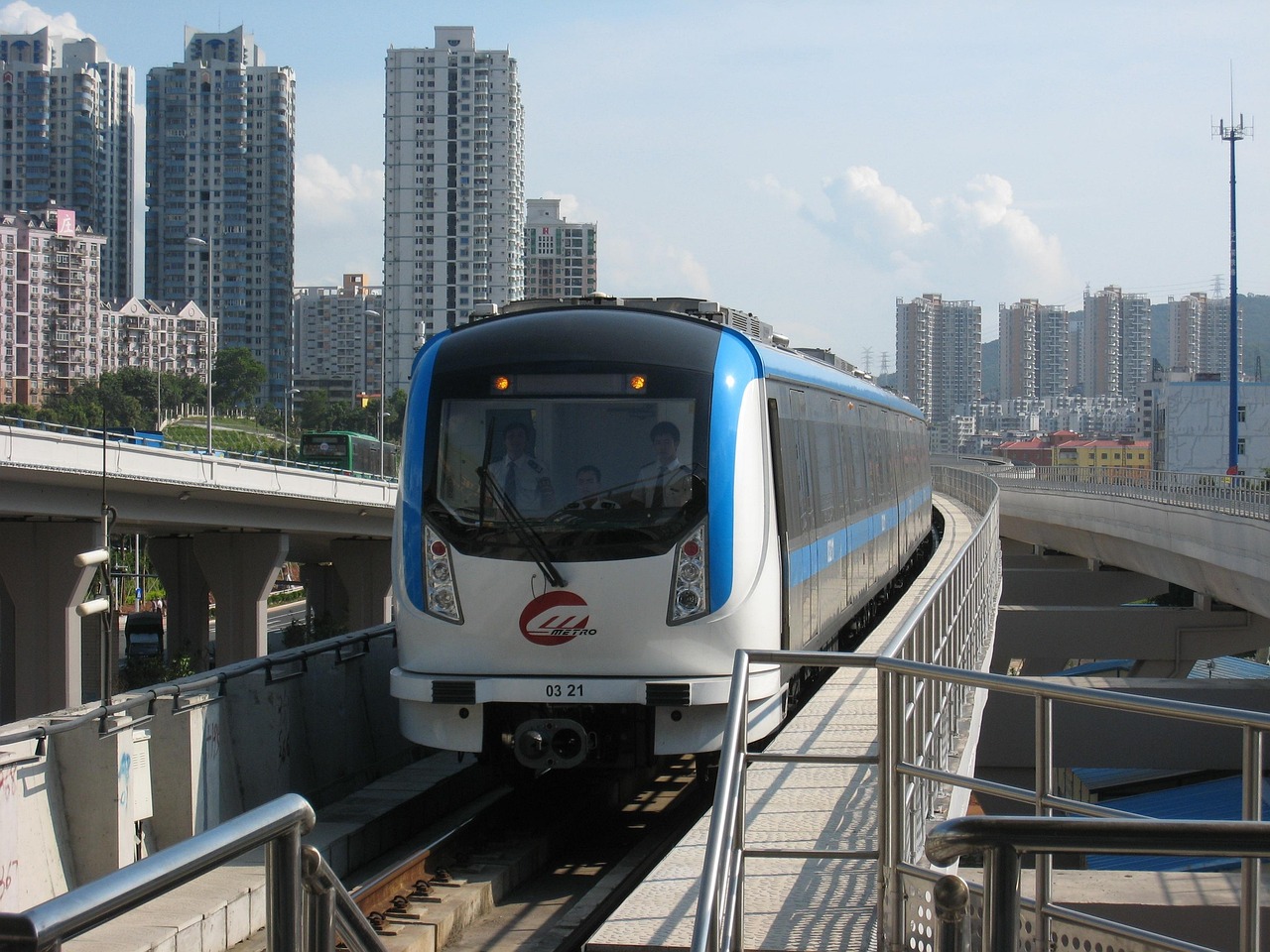
China’s cities have metro systems that make most Western equivalents feel dated. Shanghai’s network covers over 500 stations. Beijing’s is comprehensive and fast.
Tickets cost the equivalent of a few pence. Even teachers who arrive with low expectations for public transport leave consistently impressed.
For taxis and short journeys, DiDi is the Chinese equivalent of Uber and works seamlessly once set up. Fares are low. Drivers don’t expect tips.
And then there’s the high-speed rail. China operates the world’s largest high-speed rail network – over 50,000 kilometres connecting more than 550 cities.
Beijing to Shanghai takes 4.5 hours. Beijing to Xi’an takes four hours. Guangzhou to Guilin takes under three.
Weekend trips that would require a flight elsewhere are a train ride in China. This transforms how you experience the country – and for teachers arriving with a curiosity about Asia, it’s one of the most significant perks of living there.
Book high-speed rail through the China Railway app or via platforms like Trip.com. But remember to book early for peak Golden Week holidays as popular routes sell out!
The internet: the thing nobody prepares you for
This is the single biggest practical adjustment for most Western teachers. Many common apps and websites are inaccessible in China without a VPN.
Google. Gmail. YouTube. WhatsApp. Instagram. Facebook. Twitter/X. Netflix. Spotify. All blocked. This isn’t a minor inconvenience – it changes how you communicate with people at home, how you access information, and how you consume media.
The solution is a VPN, and the key instruction is simple: install it before you arrive. Once you’re in China, downloading VPN software becomes significantly harder.
Get a reputable paid VPN, test it works, and install it on every device you’re bringing. Teachers who miss this step have a frustrating first few weeks.
What fills the gap is WeChat. In China, WeChat is everything – messaging, payments, food delivery, booking services, social groups, news. You’ll use it more than any app you currently have on your phone.
Get it set up early, connect it to a payment method, and join your school’s teacher groups. It becomes the operating system of daily life within weeks.
Alipay handles everything else WeChat Pay doesn’t. Between the two, you’ll rarely need cash in a major city.
Air quality: the honest picture
Air quality in China’s major cities is a legitimate consideration and it’s worth going in with accurate expectations rather than either dismissing or exaggerating it.
Beijing and northern cities experience more significant pollution, particularly in winter months when heating systems drive coal consumption. Shanghai and southern cities generally have better air quality, though no major Chinese city sits at WHO target levels year-round. Cities like Chengdu and Chongqing face their own air quality challenges due to basin geography.
Most experienced expats in China take two practical steps: an air purifier for their flat (many schools either provide one or include the cost in a relocation package), and a quality face mask for days when outdoor AQI is high. Both are inexpensive in China and widely available.
It’s also worth noting that China has made significant, measurable improvements to air quality over the past decade. The improvement in Beijing in particular has been substantial. The situation today is meaningfully better than five or ten years ago.
Teachers with respiratory conditions should research their target city specifically before committing. For most healthy adults, the practical management is straightforward.
Housing: what to expect
At established international school groups, housing is either provided directly or covered by a generous allowance. Free or allowanced housing in Shanghai or Beijing at rates that a teacher’s own salary couldn’t otherwise cover is one of the practical realities that makes China’s 46% savings potential achievable.
Some schools provide on-campus or adjacent apartment blocks specifically for staff. Others give an allowance – typically 8,000-20,000 RMB per month in Tier-1 cities – and let teachers choose their own accommodation.
Both have advantages. On-campus housing makes the commute trivial and the community immediate. Your own apartment gives you more independence and a neighbourhood that suits you.
What you’ll typically find: modern apartments, air conditioning, a kitchen and enough space to live comfortably. The international districts of Shanghai and Beijing (Jing’an, Xujiahui, Sanlitun, Shunyi) have well-developed expat infrastructure – Western supermarkets, international restaurants and English-speaking support services. Chengdu and Guangzhou have equivalent areas at lower cost.
One important practical note: Chinese apartments are often rented unfurnished. If your school provides a housing allowance rather than a furnished flat, budget time and money to equip your space in the first few weeks. Schools are usually helpful in connecting new arrivals with furniture and appliance sourcing.

The international school community
Inside the school, the teacher community is often the most significant factor in whether a China posting feels isolating or genuinely exciting. At established school groups, e.g. Nord Anglia, Dulwich, Wellington, BASIS and Yew Chung, the communities tend to be strong.
The nature of international schools creates a particular kind of closeness. You’re living in the same city as colleagues who’ve also moved from abroad, often without existing social networks.
Weekend trips, dinners, and activities emerge naturally. The community that forms – across nationalities, subject areas, and career stages – is one of the things teachers consistently describe as the unexpected highlight.
The “small world” of international teaching is very apparent in China. Teachers who have worked in Southeast Asia or the Middle East will find colleagues with shared contexts. Teacher Horizons´ Community Networking platform lets you connect with other international educators in your city before you even arrive, which makes the first few weeks considerably less daunting.
Beyond the school, expat communities in China’s major cities are active and well-organised. Language exchange meetups, hiking clubs, food tours, and sports leagues all exist. Finding your version of community takes a few months – but it’s there.
Weekend travel: China as a destination in itself
Teachers posted in China often discover that the posting itself becomes the travel experience they didn’t expect. The high-speed rail network makes this possible in a way that no other country in the world currently matches.
From Shanghai, you can be in Hangzhou in 45 minutes or Suzhou in 25. Beijing to Xi’an, the ancient capital with its famous terracotta warriors, takes four hours. A long weekend in Guilin, with its extraordinary karst mountain landscape, is a comfortable direct train from Guangzhou.

Teachers who engage with this consistently say it changed how they understand the country. China isn’t one place with one character, it’s geographically and culturally vast. The posting gives you a base from which to explore it in a way that no tourist trip could.
Flights to Southeast Asia – Thailand, Vietnam, Japan, South Korea – are cheap and frequent from all major Chinese cities. Many teachers use their international school holidays to travel widely across the region. Long weekends in Bangkok or Tokyo are realistic on a China-based salary, particularly given the cost base.
The financial reality
China’s 46% savings potential – from the Teacher Horizons Salaries and Benefits data – is real, not aspirational. It reflects what genuinely happens when you combine a strong gross salary, moderate tax (10-15%), provided housing, and a daily cost of living that’s a fraction of what you’d spend in London or Sydney.
Entry-level salaries average $43,200. Experienced teachers average $60,100. Once your housing and flights are covered, and you’re spending £3 on dinner most evenings, saving a significant proportion of your income becomes the default position rather than an effort.
Teachers who go to China for two or three years often return home with a financial position that took peers five to ten years to reach working domestically. This isn’t luck or special discipline, it’s what the numbers look like when you strip out rent.
What teachers wish they’d known
The things that come up most consistently when teachers reflect on their China experience:
- Get your VPN sorted before you leave. It cannot be overstated. The digital adjustment is the biggest practical shock for most teachers, and it’s entirely manageable if you prepare for it.
- Learn basic Mandarin before you go. Even 100 words makes an enormous difference to daily life. Apps like Pleco (a Mandarin dictionary) and Duolingo give you a start. You don’t need fluency, you just need enough to navigate a pharmacy, order food and direct a DiDi driver.
- Don’t underestimate the adjustment period. The first six weeks will be harder than you expect. This is normal. Everyone goes through it. Stay curious and stay patient with yourself. It does pass.
- Pick your city intentionally. Shanghai and Beijing offer the most developed expat infrastructure and the highest salaries. Secondary cities like Chengdu, Hangzhou and Chongqing offer a different pace, lower costs, and often a more immersive Chinese experience. Neither is objectively better; it depends what you’re looking for.
- Bring your authenticated documents. The work permit process in China requires authenticated degree certificates and DBS (or equivalent) checks. Getting these authenticated in China is very difficult. Do it at home before you go.

Frequently asked questions
- Is China safe for expat teachers? Yes, China consistently ranks among the safest countries in the world for day-to-day personal safety. Crime rates in major cities are low. Teachers who have lived in Shanghai, Beijing, and Chengdu regularly comment on feeling safer than they did at home. Political sensitivities and internet restrictions require awareness, but personal safety is not a significant concern for most expat teachers.
- Do I need to speak Mandarin? Not for your job as international schools operate in English. However, basic Mandarin makes daily life considerably more comfortable. Even introductory-level phrases for shopping, transport, and ordering food reduce friction significantly. Most teachers who stay more than a year develop at least functional conversational Mandarin and many find it one of the most valuable skills they take home.
- What’s the healthcare situation? Your school’s health insurance will typically cover access to international-standard private hospitals and clinics in major cities. International hospitals in Shanghai, Beijing and Guangzhou offer English-speaking doctors and Western-equivalent care. For routine health needs like GP consultations, prescriptions and minor injuries, the international private clinic network in major cities is excellent. For serious conditions, most expat teachers with families confirm the private healthcare system is well up to the task.
- How do I manage money internationally? Most international school salaries are paid in RMB into a Chinese bank account. Transferring money home is straightforward via services like Wise (check your dashboard on your Teacher Horizons account for a special offer!). Transfers can also be done through your bank’s SWIFT transfer process (many teachers set up a monthly transfer habit). Open a Chinese bank account as soon as you arrive; your school’s HR team will typically help you with this process.
- What about family life? Is China manageable with children? Very much so! Many teachers say it’s a highlight rather than a challenge. International schools typically offer tuition discounts or free places for teachers’ children, which dramatically reduces a major cost. The international school community creates a ready-made peer group for children. China’s cities are safe, the infrastructure is excellent, and the cultural exposure is genuinely significant.
- What’s the biggest mistake teachers make when preparing for a China posting? Waiting until they arrive to sort out digital life. No VPN, no WeChat Pay, no Alipay – and suddenly you can’t access maps, pay for anything, or message your family. Spend an afternoon before you leave sorting your VPN, downloading WeChat and Alipay, and reading up on Chinese payment systems. It makes the first weeks dramatically easier.
China rewards the teachers who give it a real chance
No posting is for everyone. China demands more adaptation than most – the language, the internet, the cultural distance from home.
Teachers who find it difficult and leave early are often the ones who went in expecting it to feel familiar. It doesn’t and it won’t.

But teachers who commit to the curiosity – who try the food, learn a little Mandarin, take the train to Xi’an, and invest in the school community – tend to stay much longer than they planned. The teachers who say “just one year” often end up on their third or fourth.
The financial position it creates is remarkable. The professional development it provides is real, and the experience of living somewhere genuinely different leaves a mark that doesn’t fade.
If you’re weighing whether China is right for you, the school profiles on Teacher Horizons include honest insights from teachers who’ve worked at specific campuses in specific cities. That kind of ground-level intelligence, what the school actually feels like, what the city is genuinely like, is worth reading before you make the call.
China isn’t an easy posting. But it is, for many teachers, the best one they ever took.