

Most teachers who move to Bangkok say the same thing a few months in: “I wish I’d come sooner.” The city takes some adjusting to – the heat, the traffic, the sensory volume of it all, but once it clicks, it really clicks.
Bangkok is one of the largest and most dynamic cities in Southeast Asia. With a strong international school sector and a cost of living that makes most salaries go surprisingly far, teaching in Bangkok can be a career-defining experience for international school teachers.
This guide covers the practical realities: schools, salary against real costs, where to live and getting around. It also looks at what building a social life in Bangkok actually looks like.
The Bangkok international school landscape
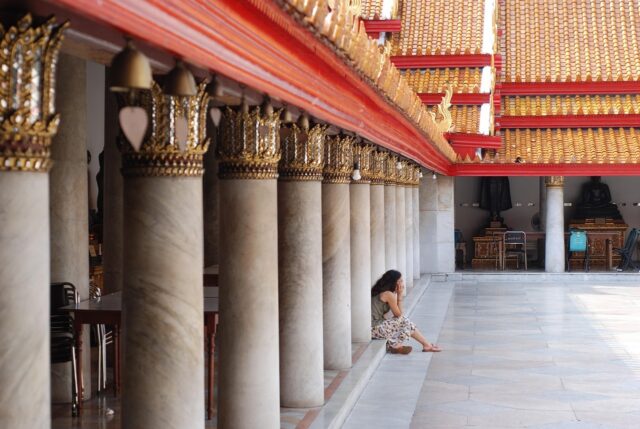
Bangkok has more than 90 international schools. That figure still surprises many teachers when they first hear it. One important thing to note, however, is that not all of those schools are equal, and not all are looking for the same kind of teacher.
At the top end sit schools like NIST International School, Bangkok Patana School, International School Bangkok and Shrewsbury International School. These have the most rigorous hiring processes, the strongest benefits packages and the most established professional communities. They attract experienced teachers and are competitive to join.
Below that sits a broad mid-tier group – well run, decent packages and a realistic entry point for international careers. For teachers in the earlier stages, these are often the right place to start.
The curriculum spread is broad. British curriculum schools (IGCSE and A Levels) make up a significant portion of the market. IB schools, led by NIST, represent the most internationally open option.
American curriculum schools, led by ISB, are less numerous but prominent.
One thing worth understanding: international schools in Bangkok are not all in the city centre. ISB is in Nonthaburi, well north of the centre. Several others are in suburban areas.
Your commute depends on where your school sits relative to your home; something worth asking about before you sign.
Understanding your salary package
Salaries at Bangkok’s international schools follow a wide range. Entry-level positions average $30,000 USD per year, ranging from $12,000 to $55,000. Experienced teachers average $40,700, with senior roles reaching towards $84,000.
Those numbers look different once you factor in the full package.
Housing allowance is standard at most reputable Bangkok schools for international hires. Monthly stipends typically run between THB 42,800 and THB 64,200 per month (roughly $1,200-$1,800 USD) for overseas recruits. At some schools, particularly at the upper tier, accommodation is arranged directly rather than paid as an allowance.
Annual flights home are included in most packages. Usually one return flight per contract year, occasionally two. For teachers with children, family flights are often included or offered at a reduced cost.
International health insurance is standard. Thailand has excellent private hospitals – hospitals like Bumrungrad, Bangkok Hospital and Samitivej are internationally regarded. Your school’s insurance plan will typically give you access to private care at these facilities.
Children’s tuition is one of the most significant benefits for teachers with families. Many international schools in Bangkok offer free or heavily discounted places for teachers’ dependents at the school. Where this benefit applies, it can be worth tens of thousands of dollars a year.
The full salary and benefits picture for Thailand and other markets is covered in the Teacher Horizons salary resource.

What does life actually cost?
Thailand’s cost of living index is around 42 out of 100 (New York City is the benchmark). In practical terms, Bangkok is roughly 58% cheaper than New York, and that gap is felt daily.
A single teacher living comfortably in Bangkok spends approximately THB 35,500-59,000 per month (around $1,000-$1,700 USD). That’s for a comfortable lifestyle, not an austere one.
Rent is usually what you’ll spend the most money on and it varies significantly by neighbourhood. A good one-bedroom apartment in the Thonglor or Ekkamai area runs roughly THB 25,000-45,000 per month ($700-$1,300). The same quality apartment in On Nut costs THB 18,000-30,000 ($500-$850) – and beyond the BTS corridors, prices drop further still.
Food is where Bangkok genuinely delivers. Street food and hawker-style meals cost between 40 and 100 THB, making it under $3 USD for an excellent meal. Food court meals at shopping malls run 60-120 THB; Western-style restaurants cost 250-500 THB for a main course.
Most teachers find themselves happily eating Thai food most days. Western restaurants become a weekend or social occasion. The quality at every price point is hard to match anywhere.
Transport is cheap. A monthly BTS/MRT unlimited pass runs around 1,200-1,500 THB per month depending on the zones. A Grab (rideshare) trip of 5 kilometres costs roughly 80-100 THB ($2.50 USD). Motorbike taxis are even cheaper for short hops and significantly faster in heavy traffic.
Social spending is the variable that ranges most widely. Bangkok has an extraordinary range of options, from temple visits and riverside walks to rooftop bars and island weekends. You can spend very little or quite a lot depending on your likes.
Across the sector, teachers typically retain around 38% of gross income. That’s a strong figure and it’s before the value of housing and flight allowances is factored in.
Where to live
Choosing where to live in Bangkok is one of the most practical decisions you’ll make. The city is large and traffic can be an issue. Proximity to the BTS Skytrain or MRT lines makes an enormous difference to daily quality of life.
Sukhumvit is the natural first choice for most newly arrived international teachers. The BTS Sukhumvit Line runs through it and the corridor is dense with condos built for the international rental market. Everything is accessible – supermarkets, hospitals, cafés, gyms – and convenience matters more in Bangkok than most teachers expect.
Thonglor and Ekkamai are the most fashionable neighbourhoods on the Sukhumvit corridor. It attracts young professionals and international teachers who want the liveliest version of Bangkok. Apartments run roughly THB 25,000-50,000 per month and there’s a lot to do without getting on a train.
On Nut offers good value. It is further down the BTS line but still well-connected, with good supermarkets and cafés. A comfortable one-bedroom runs roughly THB 18,000-30,000 per month, which is around 30-40% less than Thonglor. For teachers willing to spend 10-15 minutes more on the train, the savings are meaningful.
Ari and Phahon Yothin are worth considering if your school is in the north of Bangkok. These neighbourhoods sit north of Victory Monument and can be quite popular, as well as quieter than Sukhumvit. Rents are competitive.
One important note: if your school is in Nonthaburi or a suburban area, factor in the commute before committing. Some teachers find that living near school, even in a less central location, dramatically improves their daily experience.

Getting around
Bangkok’s public transport network has expanded significantly over the past decade. The BTS Skytrain and MRT now cover much of the central city and reach into suburban districts. The BTS Sukhumvit Line extends south to Kheha; the MRT Pink Line reaches north into Nonthaburi and Minburi.
For international school teachers, the key question is whether your school is accessible by rail or requires a road commute. If it requires road, you’ll encounter Bangkok traffic which, at peak times on certain routes, can be quite bad. Road commuters can spend 45-90 minutes each way on routes that look short on a map.
Most teachers land on the same approach. Live near the BTS or MRT, use the train for daily travel, and Grab for short journeys. Motorbike taxis fill the last-mile gaps, and the school shuttle (if available) is always worth taking.
A scooter or small motorbike is a popular option among teachers who are comfortable with it. It gives flexibility and cuts through traffic. It also carries risk though as Bangkok’s roads require caution and an international driving permit is required.
Social life and the teaching community
Bangkok’s international teacher community is large, active and easy to connect with. This is one of the benefits of living there.
Staff common rooms are naturally social, particularly at larger schools where international hires form a significant proportion of staff. The shared experience of being abroad, navigating the city and building a life here is a natural foundation for connection.
Beyond school, the broader expat community is well-organised. Teachers Night takes place on the second Friday of every month in central Bangkok. School staff with a valid ID get all-night happy hour pricing, making it a reliable way to meet other teachers.
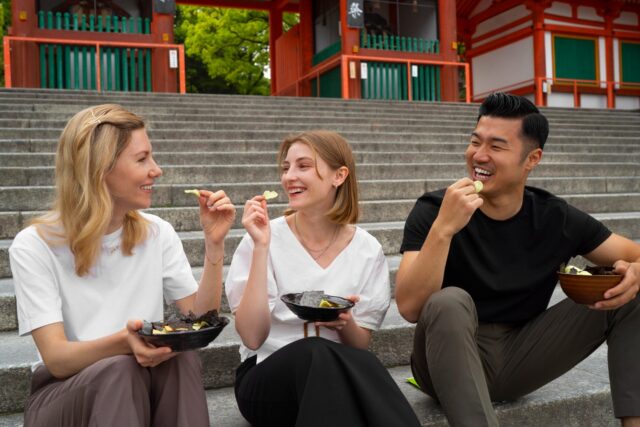
Facebook groups, regular Meetup events, and sports clubs are all active. Rugby, football, running clubs, yoga studios and hash runs are all part of life here within the international community. Weekend trips are easy – Koh Samet, Kanchanaburi, Hua Hin and Ayutthaya are all within a few hours.
Bangkok is also one of the world’s great cities for food, culture and sheer energy. Temples, weekend markets, rooftop views and the Chao Phraya river all sit within reach of a regular weekend. Teachers who embrace the city rather than retreat into the teacher bubble tend to find it transformative.
Healthcare and practical living
Bangkok’s private healthcare system is one of the best in Southeast Asia. Hospitals like Bumrungrad International Hospital, Bangkok Hospital and Samitivej are internationally accredited and widely used by teachers. Your school’s insurance plan typically covers private hospital care e.g. routine GP visits, specialist consultations and dental treatment.
Banking is straightforward. Most major Thai banks offer accounts for foreign residents with a work permit. Bangkok Bank, Kasikorn Bank and SCB are the most commonly used by expat teachers. Your school HR team will usually advise on this.
The language barrier in daily life is manageable. Most service staff in central Bangkok speak basic English and apps like Google Translate handle the rest. Learning even a little Thai is warmly received and makes daily life noticeably smoother.
Connectivity is cheap and easy. A local SIM from AIS or True costs a few hundred Baht and covers the city well. Home broadband runs from around 600 THB per month and most serviced apartments include it.
Seasonal considerations matter more than teachers often expect. Bangkok is hot year-round, with temperatures regularly exceeding 35°C and high humidity for much of the year. The monsoon season runs roughly from May to October, bringing heavy afternoon rainfall.
Air conditioning is constant in schools, offices and shopping malls. You move between intense heat outside and aggressive cold inside, all day. Always carry a light layer to be prepared!
Professional development and career progression
One underappreciated benefit of teaching in Bangkok is what it does for your professional development. The city has a high concentration of international schools across British, IB, American and bilingual curricula. That density creates opportunities to learn in ways not available in smaller markets.
Teachers who move between schools or network across the sector find their understanding of frameworks deepens quickly. That breadth is valuable for careers that will span multiple countries and school types.
The most competitive schools, like NIST, Bangkok Patana, ISB and Shrewsbury, invest in staff professional development as a retention and quality tool. CPD budgets, coaching, conference attendance and internal mentoring programmes are more common at this tier than at mid-tier schools. It’s worth asking, in any interview, what the school’s approach to CPD looks like in practice.
For senior leaders, Bangkok is also a strong market for leadership progression. Several teachers who began as classroom teachers in Bangkok have moved into HoD, deputy, and principal roles within a decade. Some progressed within the city; others used the professional networks here to move to schools across Asia.
A Bangkok posting also produces a strong CV for future roles. Teaching across IB and British curriculum schools, in a multicultural staffroom gives experience that reads well to hiring panels globally. Teachers moving on from Bangkok often find themselves stronger candidates for roles in Singapore, the UAE and beyond.

Frequently asked questions
Is Bangkok affordable on an international school salary?
Yes. Thailand’s cost of living index is around 42 out of 100 (with New York City as the baseline). Most international school teachers in Bangkok live comfortably and save a meaningful portion of their income. The average savings potential is around 38% (before housing allowances and flights home are added).
What currency do I need to think about?
Salaries at Thai international schools are typically paid in Thai Baht (THB). Some schools pay a base in Baht with allowances in USD. The exchange rate and any home-country tax obligations are worth factoring in before you accept an offer.
Your school HR team and an international tax adviser can help clarify what applies to your situation.
Is Bangkok good for teachers with families?
It’s a popular destination for teachers with families. Children of international teachers often attend the parent’s school at no cost or heavily reduced fees. The city has international supermarkets, English-language healthcare and large expat family communities.
Weekend travel to nearby beach destinations and quieter locations makes it feel less overwhelming than its size suggests.
What about visa arrangements for partners or spouses?
Partners of international school teachers are not automatically covered by the Non-Immigrant B visa. They typically apply for a tourist visa, or their own Non-B if employed locally. Some schools’ HR teams can advise on this so it’s worth raising before you sign.
How does Bangkok compare to other Asia-Pacific postings?
Bangkok sits in the middle of the Asia-Pacific range financially. Singapore offers higher salaries, but a significantly higher cost of living and less savings potential. China (particularly Shanghai and Beijing) offers stronger savings potential.
Bangkok’s appeal is the combination: solid financial picture, extraordinary quality of life, and an established international teaching community. Most teachers who’ve been in the region rate it highly on lifestyle grounds.
A practical city for international teachers
Bangkok is not an easy city in the way that Singapore or Tokyo are easy cities. It’s noisier, less predictable and more chaotic. However, it’s warmer, more open and cheaper.
The school community is strong and the lifestyle is rewarding. The financial picture, once housing and flights are accounted for, is better than it looks from a distance. Teachers who arrive prepared for the realities tend to find Bangkok one of their most rewarding postings.
Considering a move to Bangkok? Browse teaching jobs in Thailand on Teacher Horizons. Speak with an adviser who knows the market and can help you find the right school for your experience and goals.