



Two cities keep coming up whenever ambitious international teachers compare notes: Singapore and Dubai.
Both sit near the top of the salary tables. Both attract teachers who want more than just a job abroad. However, they are not the same. One trades a higher cost of living for outstanding schools and a compact, orderly city-state. The other trades zero income tax for a faster-moving, more sprawling metropolis built on an international community life.
This guide puts the two side by side on salary, tax, cost of living and the kind of life each one actually hands you. No cheerleading, just the numbers and what they mean for your decision.
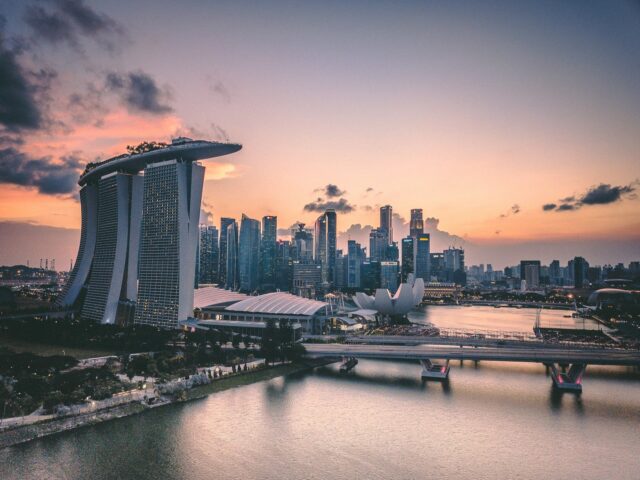
At a glance: Teaching in Singapore vs Dubai for international teachers
Singapore |
Dubai |
|
|---|---|---|
| Entry-level average salary | $53,900 (range 37,000 – 82,000) | $34,700 (range 18,800 – 45,000) |
| Experienced average salary | $75,200 (range 39,000 – 95,000) | $48,300 (range 24,000 – 75,300) |
| Income tax | Progressive, low effective rate | None |
| Typical savings potential | ~40% of gross salary | ~26% of gross salary |
| Cost of living index (NYC = 100) | 87 | 60 |
| 1-bed rent, city centre | ~S$3,820/month (~$2,850) | ~AED 8,800/month (~$2,395) |
| International/private schools | Around 80 | 227+ |
| Typical academic year start | August | September |
The numbers alone don’t settle it. What they set up is a much more useful question: which trade-off actually suits your life?
1. Salaries: what the numbers actually show
Singapore pays the higher average, at every experience level.
Teacher Horizons salary data puts entry-level pay in Singapore at 37,000–82,000 a year, averaging $53,900. Experienced teachers average $75,200, with the range stretching up to $95,000.
Dubai’s numbers sit lower across the board. UAE entry-level salaries average $34,700, ranging from $18,800 to $45,000. Experienced teachers average $48,300, topping out around $75,300.
Within both markets, the same factors move the range. School tier matters most – established, well-resourced schools pay towards the top.
Subject shortages push offers higher too, particularly STEM and IB Diploma experience. Senior leadership moves the number furthest of all, in both cities.
If you’re weighing more than these two options, Teacher Horizons has a longer walkthrough on comparing salaries across borders that applies well beyond just Singapore and Dubai.
None of this tells you what you’ll actually keep, though. That’s where the two cities properly diverge.
2. Tax: the structural difference that changes everything
Here’s where the comparison flips.
The UAE charges no personal income tax at all. The UAE government confirms this directly on its own official taxation page: individuals pay nothing on their earnings, with VAT and excise duties doing the government’s revenue-raising instead.
Singapore does tax residents, but gently. IRAS, the tax authority, sets the first S$20,000 of income at 0%, then rises gradually through modest bands from there.
Run a typical teacher’s salary through those bands and the effective rate usually lands somewhere between 3% and 6% of gross income. That’s a fraction of what the same teacher would pay in the UK or the US.
So Dubai genuinely wins on the tax line, but Singapore’s gap isn’t nearly as large as the “tax-free” headline makes it sound, especially once the salary difference is factored back in.
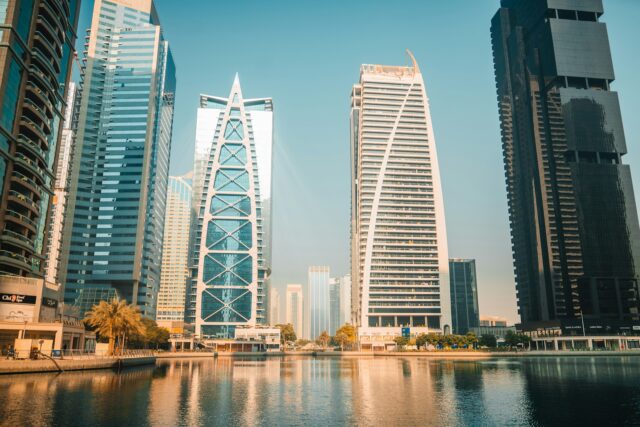
3. Cost of living, city by city
Both cities have a reputation for being expensive. Only one of them fully earns it.
Teacher Horizons’ own cost of living index, benchmarked against New York City at 100, puts Singapore at 87 and Dubai at 60. Singapore runs close to a major Western city. Dubai runs meaningfully below one.
Rent tells a similar story. Numbeo’s Singapore data puts a one-bedroom flat in the city centre at around S$3,820 a month (roughly $2,850). Outside the centre, that drops to about S$2,765 (or $2,063).
Numbeo’s Dubai figures show a city-centre one-bedroom averaging AED 8,800 a month, around $2,395. Outside the centre, it falls to roughly AED 5,507 (or $1,499).
A few things worth knowing before you compare those numbers directly:
- Singapore’s range is tighter. Rents vary less between neighbourhoods, because the whole island is a single, dense city.
- Dubai’s range is wider. Housing spans everything from budget apartments to serviced towers, so your actual cost depends heavily on where you choose to live.
- Both markets move fast. Rental prices in each city have shifted noticeably over the past few years, so treat any figure as a snapshot rather than a fixed number.
- Neither figure includes utilities, transport or daily spending, which both cities handle differently. Singapore leans on excellent, affordable public transport; Dubai leans more heavily on cars.
Everyday costs outside rent are broadly comparable in both cities to a major Western capital. Housing is where the real gap between the two actually lives.
4. Housing and benefits: what’s typically included
This is the variable that decides more than almost anything else on this list.
In Dubai, housing support is close to universal. Most contracts include either an allowance or arranged accommodation, often worth AED 60,000-150,000 a year depending on the school and family size.
In Singapore, it’s far less consistent. Some of the island’s top-tier schools provide a housing allowance; plenty of others leave teachers to find and fund their own rental in one of the world’s tightest property markets.
Beyond housing, the rest of the package looks fairly similar in both cities:
- Flights. Most contracts in both markets include at least one annual return flight home.
- Health insurance. Comprehensive private cover is standard at reputable schools in both Singapore and Dubai.
- Children’s tuition. Often the single largest benefit for teachers with families – a free or discounted place can be worth tens of thousands of dollars a year in either city.
- Professional development. Well-resourced schools in both markets invest meaningfully here, particularly around IB training and leadership coaching.
Whichever city you’re weighing, get every one of these written into the contract itself. A verbal promise at interview is not the same thing as a clause.

5. The school markets: size, curricula and competition
Singapore and Dubai sit at almost opposite ends of the scale here.
Singapore has around 80 established international schools, all regulated by the Ministry of Education. That’s a small, concentrated market by international standards, covering British, American, IB and bilingual pathways.
Dubai is far larger. The city has more than 227 private schools, regulated by the Knowledge and Human Development Authority, spanning British, IB, American, Indian, French and other curricula side by side.
That difference changes how the job search actually feels. Fewer vacancies open in Singapore each year and competition for the well-known names is sharp. Dubai’s sheer volume means more roles, more variety and generally an easier path in for a first move abroad.
It also changes career mobility once you’re inside. Dubai’s scale means moving between schools within the same city is realistic if a role isn’t working out.
Singapore’s smaller pool makes that harder. The schools that are there tend to be very well resourced, though, with long-established professional communities and low turnover.
Teacher Horizons’ Dubai vs Abu Dhabi comparison is worth a read too, if the wider UAE is on your list alongside these two.
6. Lifestyle: two very different cities
Numbers aside, this is often what actually decides it.
Singapore is compact, orderly and green. English is an official language, public transport is excellent and the city has a reputation for safety that’s hard to overstate. It’s a place that rewards routine, being efficient, predictable and easy to settle into quickly.
Dubai works at an entirely different pace. It’s built for spectacle – beaches, an enormous restaurant scene, desert excursions and a social calendar that runs seven nights a week. The international teaching community there is large and easy to plug into fast.
Singapore’s climate is tropical and fairly constant year-round. Dubai’s is hot for much of the year, with a milder, more pleasant stretch through the winter months that most residents build their outdoor life around.
Neither city is quiet, exactly, but Singapore is quiet in a controlled, efficient way, while Dubai is loud in a fast, sociable one.
Food is another point of contrast worth mentioning. Singapore’s hawker centres put excellent, affordable meals within reach every day, which softens some of the cost-of-living sting. Dubai’s dining scene leans more towards restaurants and delivery and it’s easy to spend considerably more without really noticing.
Language is rarely a barrier in either city. English is an official language in Singapore and the working language of almost every international school and workplace in Dubai, so day-to-day life doesn’t require learning anything new to get by.
Teacher Horizons’ own Singapore country page has more on what daily life there looks like beyond the numbers in this guide, if you want to go deeper before deciding.

7. Two scenarios: what the real take-home looks like
Put the pieces together and the comparison gets more concrete.
Entry-level teacher, Singapore, partial housing allowance: base salary around $50,000. Singapore tax comes to roughly $1,800 for the year. A partial housing contribution covers close to half of a one-bedroom rental outside the city centre, the remaining rent still takes a bit part, but meaningful saving stays realistic.
Entry-level teacher, Dubai, full housing included: base salary around $34,000, entirely tax-free. Accommodation is arranged directly by the school, removing the single largest cost most teachers face. The lower headline salary is partly offset by not having to fund rent at all.
The gap narrows considerably once housing is accounted for properly. It’s the one variable worth interrogating hardest in either city, before you sign anything.
8. Which one actually suits you?
There’s no universally correct answer here, only the right one for what you want from this move.
- Choose Singapore if: you want the highest headline salary in Asia, a compact and orderly city and don’t mind a smaller, more competitive school market to break into.
- Choose Dubai if: you want a tax-free salary, a huge variety of schools and curricula to choose from and a lifestyle built around a large, sociable international community.
- Choose Singapore if: long-term career stability within a handful of world-class schools matters more to you than moving around.
- Choose Dubai if: flexibility to switch schools within the same city, without relocating your whole life again, matters more.
Neither choice is a compromise. Both are strong international teaching markets with structural demand behind them, you’re just picking a trade-off, not a downgrade.
9. Visas and work permits: the practical side
Neither city lets you simply turn up and start teaching. Both route your right to work through your employer and it helps to know how each system actually works.
In Singapore, most international teachers move on an Employment Pass, sponsored directly by the school. It carries a minimum qualifying salary and a points-based assessment covering qualifications and experience. The school handles the application, but it’s worth understanding the basics before you negotiate an offer.
In Dubai, the process runs through your school and the relevant free zone or government authority, depending on where the school sits. A residence visa and labour card are issued once your contract is signed and your right to remain is tied to that employer for the length of your contract.
Both processes are well-trodden for international teachers specifically. Schools in each city sponsor foreign staff routinely and the paperwork is rarely the sticking point, it’s simply something to plan around rather than worry about.
One practical difference: Singapore’s process tends to move a little faster once an offer is confirmed, given the smaller, more standardised system. Dubai’s timeline can vary more depending on the specific authority your school falls under. Either way, build in a few extra weeks of buffer before you need to relocate.

Frequently asked questions
Is Singapore really more expensive than Dubai for teachers?
Yes, on most measures. Teacher Horizons’ cost of living index puts Singapore at 87 against Dubai’s 60, benchmarked to New York at 100. Rent is the biggest driver of that gap in both cities.
Which city lets me save more money?
On the data, Dubai could potentially give you a 26% savings potential against Singapore’s roughly 40%. However, your actual savings in either city depend heavily on whether housing is included in your package.
Is Dubai actually tax-free for teachers?
Yes. The UAE levies no personal income tax on individuals, foreign residents included. There is a 5% VAT on most purchases, but nothing is deducted from your salary itself.
Does Singapore have a pension or retirement scheme for foreign teachers?
Not through the local system. CPF, Singapore’s mandatory retirement scheme, applies to citizens and permanent residents rather than foreign work pass holders. Check what your specific school offers separately.
Which city is easier to get a teaching job in?
Dubai, generally. It has nearly three times as many schools as Singapore, spread across more curricula, which means considerably more vacancies open each year.
Is one city better for teachers with families?
Both are family-friendly, with strong healthcare and free or discounted children’s tuition common at reputable schools in each city. Singapore’s compact size can make daily logistics simpler; Dubai’s scale offers more variety in schools and neighbourhoods to choose from.
Can I compare take-home pay directly between the two currencies?
Roughly, yes, once you convert both to a common currency and factor in tax and housing. The comparison in this guide uses USD throughout for exactly that reason, though your own numbers will shift with the exchange rate at the time.
Which city has the stronger IB and British curriculum offering?
Both are strong. Singapore’s smaller pool of schools includes some of the most established IB and British-curriculum institutions in Asia. Dubai’s much larger sector offers more choice across IB, British, American and other pathways side by side.
Do I need previous Middle East or Asia experience to be considered?
No. Very few candidates arrive with experience specific to either city. Schools in both markets are generally more interested in your curriculum experience and track record in a rigorous international setting than in prior regional exposure.
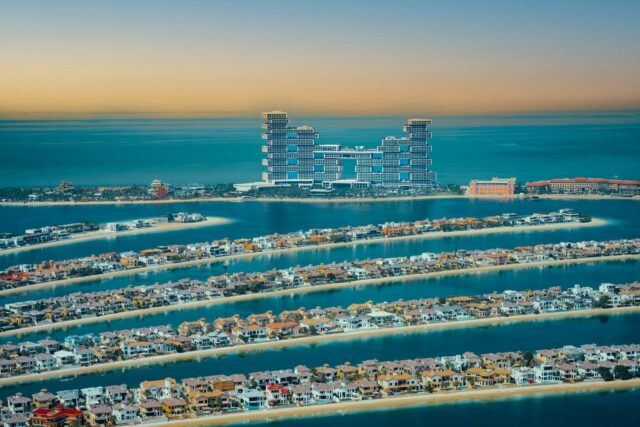
So, which one wins?
Neither, outright.
Singapore pays more on paper and tops it with one of the safest, most efficient cities in the world to live in. Dubai pays less but hands almost all of it back through zero tax and, often, fully covered housing.
The real decision comes down to what kind of life you want to build around the teaching itself – compact and polished, or big and sociable. Get clear on that first and the salary comparison stops being the hard part.
If you’re weighing either move, a Teacher Horizons adviser can talk you through what a specific offer in either city actually adds up to, based on people who’ve made this exact move themselves. Start your journey by exploring our current openings here.